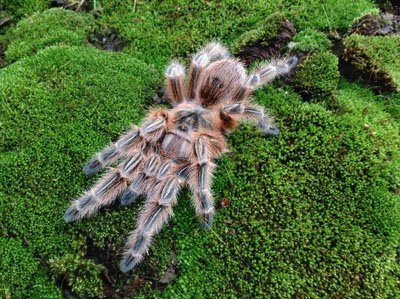
Buying invertebrates online has become one of the most reliable ways for keepers in the United States to find healthy captive bred tarantulas, scorpions, millipedes, beetles, and other exotic species. The hobby has grown significantly, and with that growth comes a wider range of online sellers, shipping options, and care resources. This is great for the community, but it also means buyers need to know how to evaluate a seller and what to expect from the process.
This guide covers everything you should know before placing an order. It is designed to help you make informed decisions, avoid common mistakes, and ensure the best possible experience for both you and the animal.
Why Buying Invertebrates Online Has Become So Popular
Online shops offer access to species that are rarely available in local stores. Many keepers prefer buying online because:
- They can choose from a larger selection of captive bred animals.
- They can compare prices and availability across multiple sellers.
- They can buy directly from experienced keepers and breeders.
- They can receive animals that have been raised in proper conditions.
- They can access tools, enclosures, and supplies in the same place.
When done responsibly, buying online is safe, convenient, and often the best way to find healthy animals.
1. Choose Sellers Who Prioritize Animal Health
Animal health should always be the first priority. A reputable seller will be transparent about how their animals are raised, housed, and shipped. When evaluating a shop, look for the following:
- Captive bred or responsibly sourced animals
- Clear species identification
- Honest descriptions of temperament and size
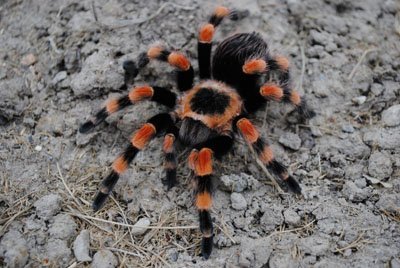
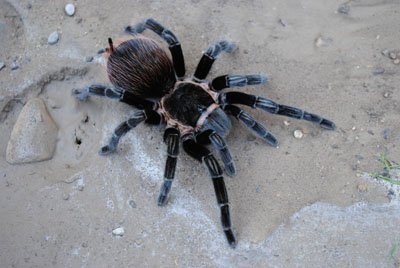
- Accurate photos of the actual animal or representative examples
- Clean, secure, and temperature appropriate packaging
- A history of positive customer experiences
Healthy animals show good posture, proper hydration, and appropriate behavior for their species. A trustworthy seller will never rush a sale or ship an animal in unsafe conditions.
2. Understand Live Arrival Policies Before You Order
A live arrival policy protects both the buyer and the seller. It outlines what happens if an animal arrives in poor condition or does not survive transit. Before placing an order, review the following details:
- Required temperatures for safe shipping
- Days of the week the seller ships
- Whether the package must be held at a carrier facility
- What documentation you need to provide, such as an unboxing video
- How quickly you must report an issue
- What replacements or credits are offered
A clear policy shows that the seller takes shipping seriously and has procedures in place to protect the animals.
3. Look for Real Experience in the Hobby
Experience matters. The best online shops are run by keepers who understand the needs of the animals and the expectations of the community. Experienced sellers can:
- Provide accurate care information
- Recommend appropriate enclosures and tools
- Identify species correctly
- Recognize signs of stress or illness
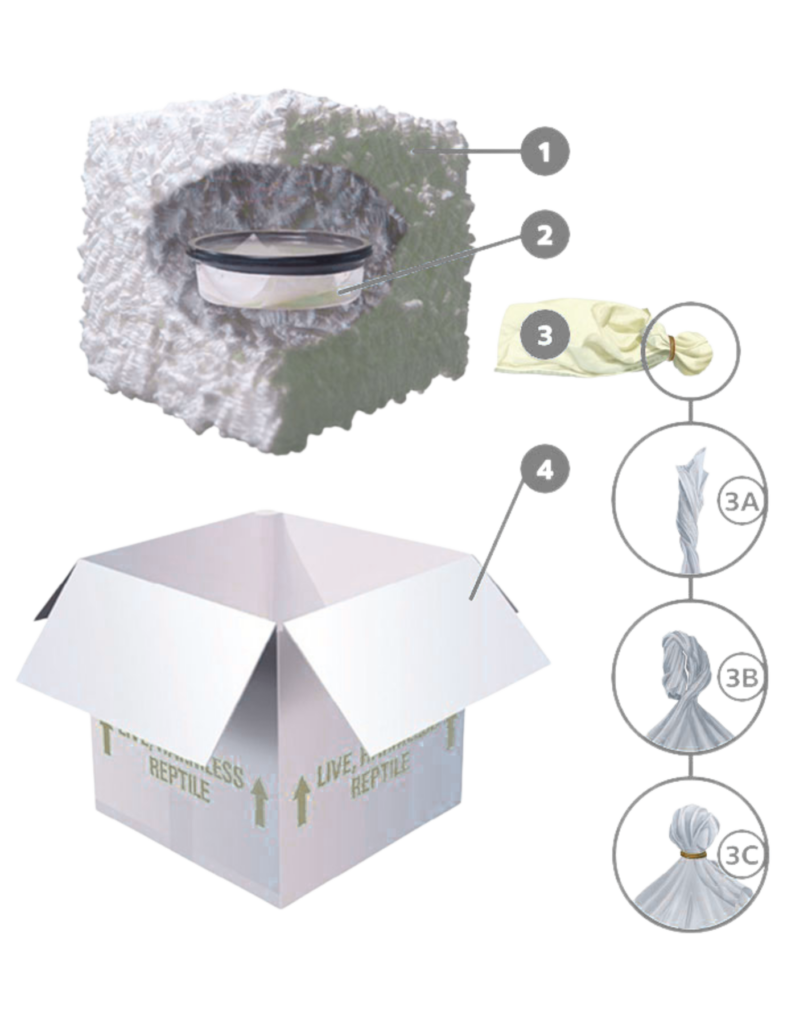
- Package animals safely for long distance travel
Shops run by active keepers tend to offer healthier animals and better customer support because they understand the hobby from the inside.
4. Prepare Your Setup Before the Animal Arrives
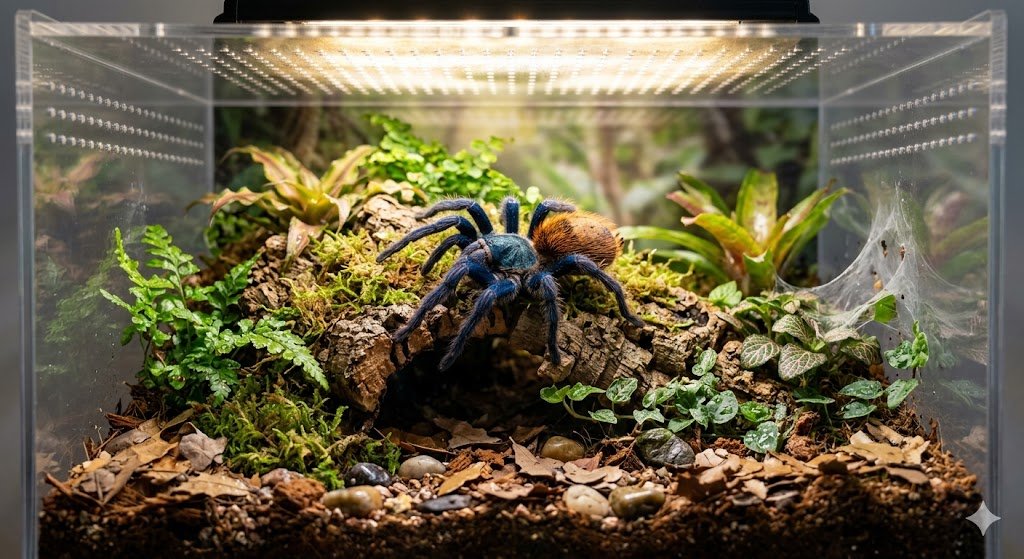
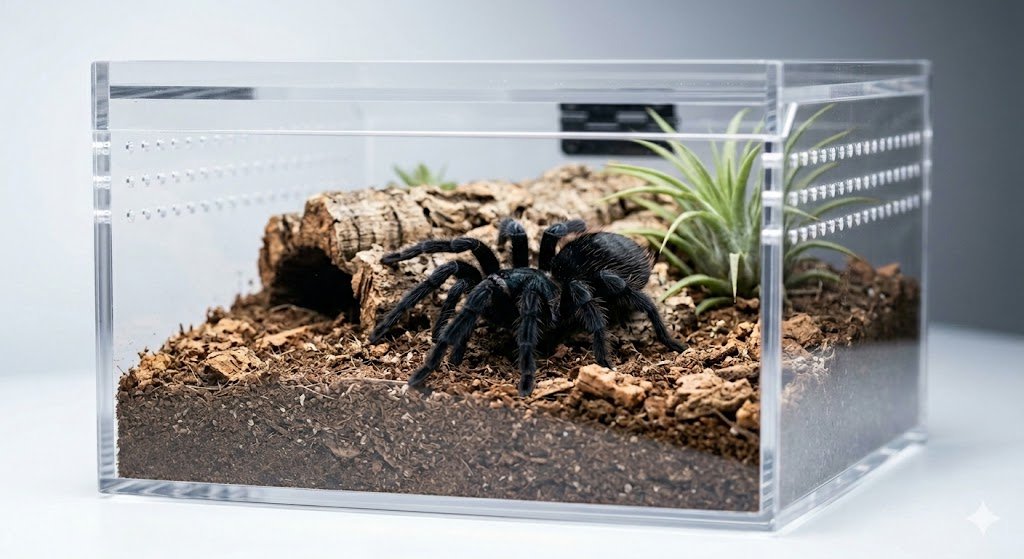
Buying an animal is only the first step. A proper setup ensures the animal can settle in safely and reduces stress during the transition. Before ordering, make sure you have:
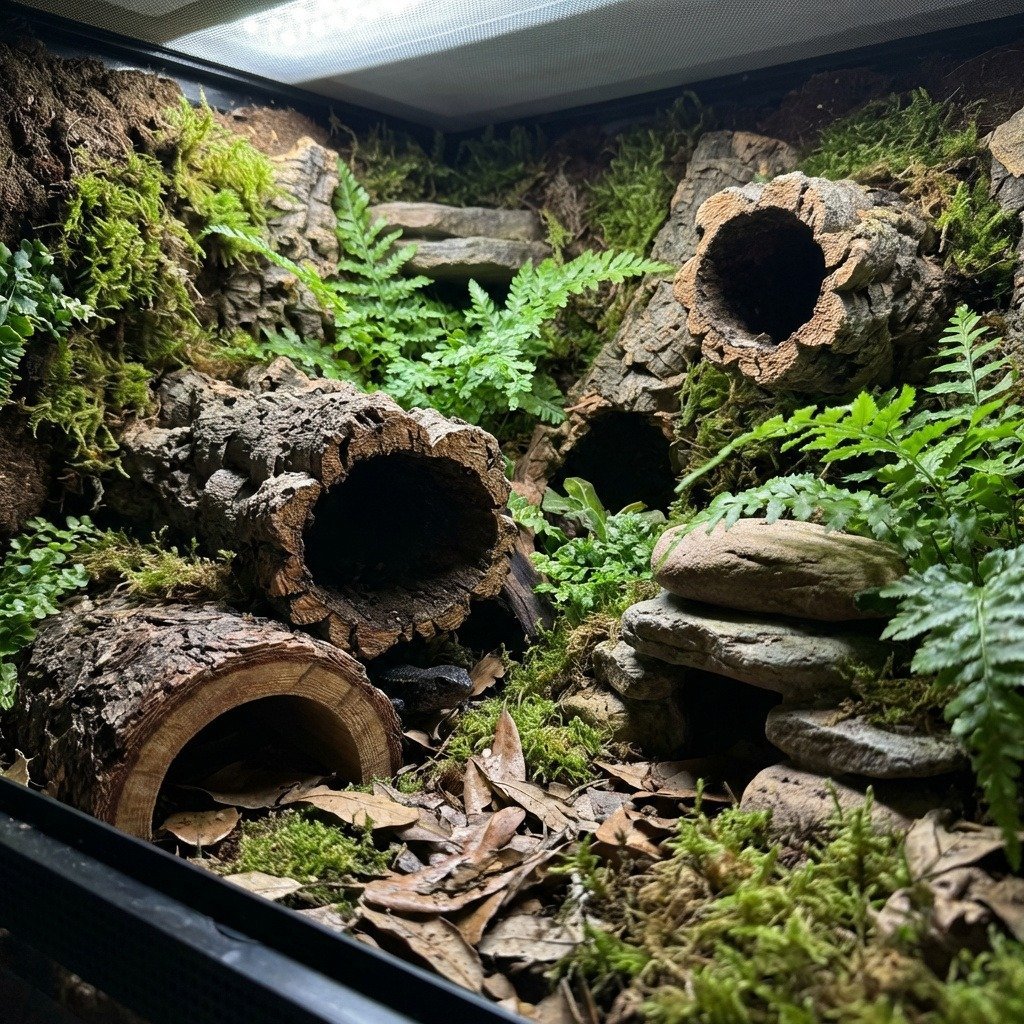
- An enclosure that matches the species needs
- Appropriate substrate
- A secure hide
- A water bowl
- Feeding tools such as tweezers or hemostats
- Handling tools if the species requires them
- A stable location with consistent temperature
Setting up the enclosure in advance allows you to place the animal immediately upon arrival, which is safer and less stressful.
5. Why Buying Invertebrates Online Can Be a Great Choice
When you choose a reputable seller, buying online offers several advantages:
- Access to rare or hard to find species
- Better availability of captive bred animals
- Healthier animals raised by experienced keepers
- Clear communication about care requirements
- Convenient shipping to your door or local carrier hub
- The ability to purchase tools and supplies in the same order
Online shops often maintain long term breeding projects and stable colonies, which leads to healthier animals and more consistent availability.

6. Red Flags to Watch Out For
Not every seller operates with the same standards. Be cautious if you notice:
- No live arrival policy
- Poor communication
- No photos or unclear photos
- Incorrect species labeling
- Extremely low prices that seem unrealistic
- No information about sourcing or care
- Pressure to buy quickly
If something feels off, trust your instincts and look for another seller.

7. Tips for a Smooth Delivery Day
Once your order ships, prepare for the arrival. Here are a few steps that help ensure a safe transition:
- Track the package closely
- Pick up from a carrier hub if required
- Record an unboxing video in case of issues
- Place the animal directly into its prepared enclosure
- Avoid feeding for the first 24 to 48 hours
- Monitor temperature and humidity
A calm, controlled environment helps the animal settle in quickly.

Final Thoughts
Buying invertebrates online is a safe and rewarding experience when you choose a reputable seller and prepare properly. The hobby continues to grow, and online shops play an important role in making captive bred species accessible across the United States.
Whether you are purchasing your first tarantula or adding a new species to an established collection, responsible buying supports the health of the animals and the long term success of the hobby.
Browse our available animals and products designed for use with invertebrates and reptiles.