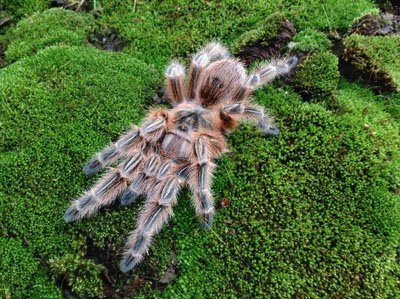
Setting up an enclosure correctly is one of the most important steps in responsible invertebrate keeping. A well designed habitat supports natural behavior, reduces stress, and helps maintain long term health. Whether you keep tarantulas, scorpions, millipedes, beetles, or other exotic invertebrates, the principles of a safe and naturalistic setup remain consistent. This guide explains what to consider, what to avoid, and how to create an environment that allows your animals to thrive.
This is a practical, beginner friendly, and professional overview that applies to most commonly kept species in the United States.
Why Naturalistic Enclosures Matter
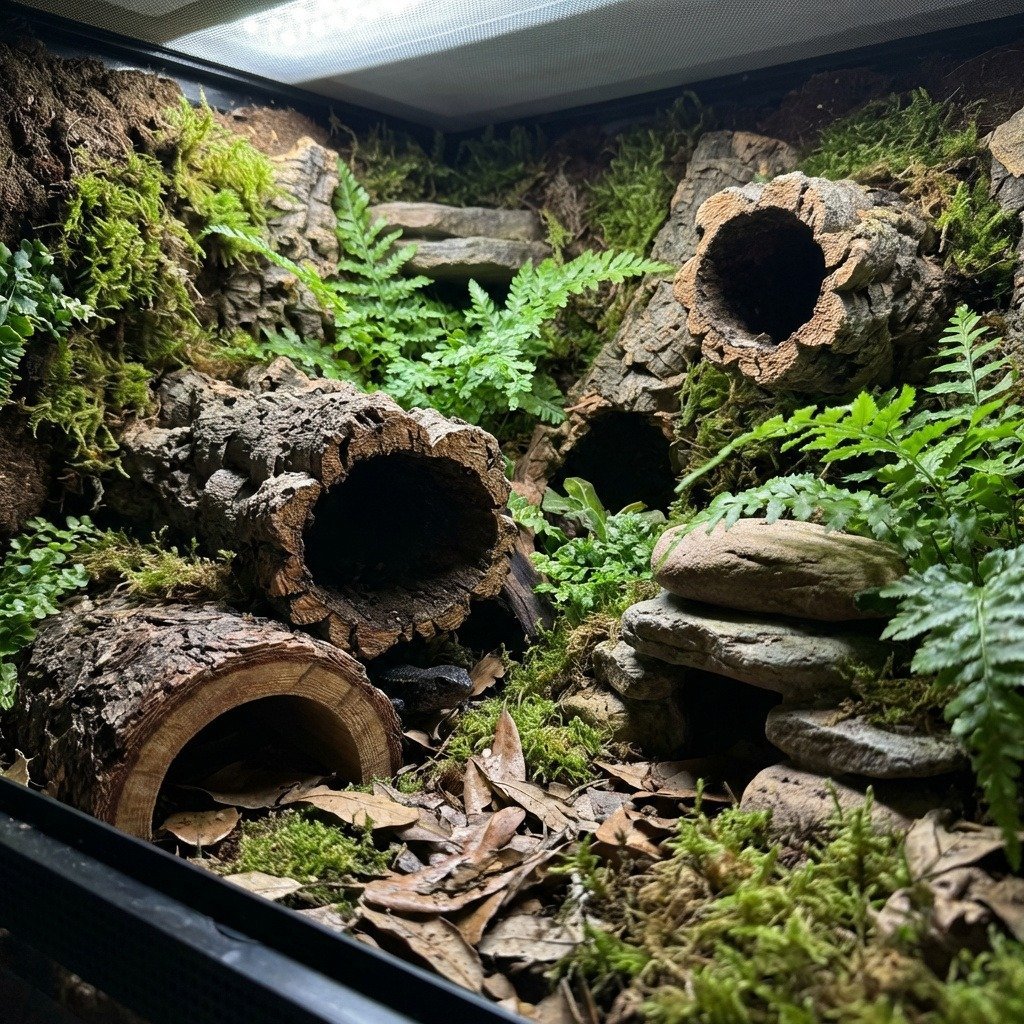
A naturalistic enclosure is designed to mimic the conditions an animal would experience in the wild. This does not mean recreating a full ecosystem. It means providing the basic elements that support natural behavior. These include appropriate substrate, secure hides, stable humidity, proper ventilation, and enough space for the animal to move comfortably.
Naturalistic setups offer several benefits:
- Reduced stress
- More predictable behavior
- Better hydration and humidity control
- Safer molting conditions
- Improved long term health
- A more enjoyable viewing experience for keepers
A well designed enclosure is the foundation of responsible care.
1. Choosing the Right Enclosure Size
The correct enclosure size depends on the species. Many new keepers assume that larger is better, but this is not always true. Most invertebrates prefer secure, appropriately sized spaces that allow them to feel hidden and protected.
General guidelines
Terrestrial tarantulas
Low, wide enclosures with enough floor space for movement and burrowing. Height should be limited to prevent injury from falls.
Arboreal tarantulas
Tall enclosures with vertical climbing surfaces and secure anchor points for webbing.
Scorpions
Low enclosures with moderate floor space and deep substrate for burrowing species.
Millipedes
Enclosures with deep substrate, good airflow, and enough room for natural foraging.
Beetles
Species specific, but most require substrate depth and space for larvae to develop.
Key features to look for
- Secure, escape proof lid
- Adequate ventilation
- Clear visibility
- Easy access for feeding and maintenance
A properly sized enclosure helps the animal feel secure and reduces stress.
2. Selecting the Right Substrate
Substrate is one of the most important components of an enclosure. It affects humidity, burrowing behavior, and overall comfort.
Common substrate options
- Coconut fiber
- Peat moss
- Soil blends
- Bioactive mixes
- Sand and clay blends for desert species
Depth matters
Burrowing species require deeper substrate. Terrestrial tarantulas often benefit from several inches of compacted substrate to prevent collapse during burrowing. Millipedes need deep, nutrient rich substrate for feeding and molting.
Avoid unsafe substrates
- Gravel
- Wood chips
- Pine or cedar
- Decorative sand with dyes
These can cause injury, dehydration, or respiratory issues.
3. Adding Hides, Décor, and Climbing Structures
Every enclosure should include at least one secure hide. This gives the animal a place to retreat and reduces stress.
Recommended décor
- Cork bark
- Half logs
- Branches
- Leaf litter
- Natural stones
- Artificial or live plants
Décor should be stable and placed in a way that prevents collapse. Arboreal species need vertical structures. Terrestrial species need horizontal hides. Millipedes and beetles benefit from leaf litter and rotting wood.
4. Water and Hydration
Hydration is essential for all invertebrates, even species that come from dry environments.
Water bowl guidelines
- Use a shallow, stable bowl
- Keep it clean
- Refill regularly
- Avoid sponges or gels
Some species require higher humidity. This can be achieved through substrate moisture, partial enclosure covering, or occasional misting. Avoid over misting, which can cause mold or stress.
5. Temperature and Humidity Control
Most invertebrates thrive in stable conditions. Sudden changes can cause stress or health issues.
General recommendations
- Keep enclosures away from direct sunlight
- Avoid heat lamps directly on the enclosure
- Use room based heating if needed
- Monitor humidity with a simple gauge
- Adjust ventilation to control moisture levels
Each species has its own preferred range. Always check care requirements before setting up the enclosure.
6. Feeding and Maintenance Tools
Using the right tools makes feeding and maintenance safer for both you and the animal.
Recommended tools
- Stainless steel tweezers
- Hemostats
- Feeding tongs
- Catch cups
- Soft paintbrush for gentle nudging
- Handling tools for species that require them
Quality tools reduce the risk of injury and make routine care easier.
7. Preparing the Enclosure Before the Animal Arrives
Always set up the enclosure before the animal arrives. This allows you to place the animal immediately into a stable environment.
Checklist
- Substrate in place
- Hide installed
- Water bowl filled
- Temperature stable
- Humidity stable
- Tools ready
- Enclosure secured
A prepared enclosure reduces stress and supports a smooth transition.
8. Common Mistakes to Avoid
Many issues in invertebrate keeping come from simple setup errors. Avoid the following:
- Enclosures that are too large
- Incorrect substrate depth
- Over misting
- Poor ventilation
- Unsafe décor
- Heat lamps directly on the enclosure
- Handling too soon after arrival
Correcting these mistakes early prevents long term problems.
Final Thoughts
A safe, naturalistic enclosure is the foundation of responsible invertebrate care. When you provide the right environment, your animals can thrive with minimal stress and predictable behavior. Whether you are setting up your first tarantula or expanding your collection, taking the time to build a proper habitat supports long term health and a more rewarding keeping experience.
If you need help choosing the right enclosure, substrate, or tools, we are always available to answer questions and offer guidance.
Learn how to set up a safe, naturalistic enclosure for tarantulas and other invertebrates. A complete 2026 guide to substrate, hides, humidity, and responsible care.